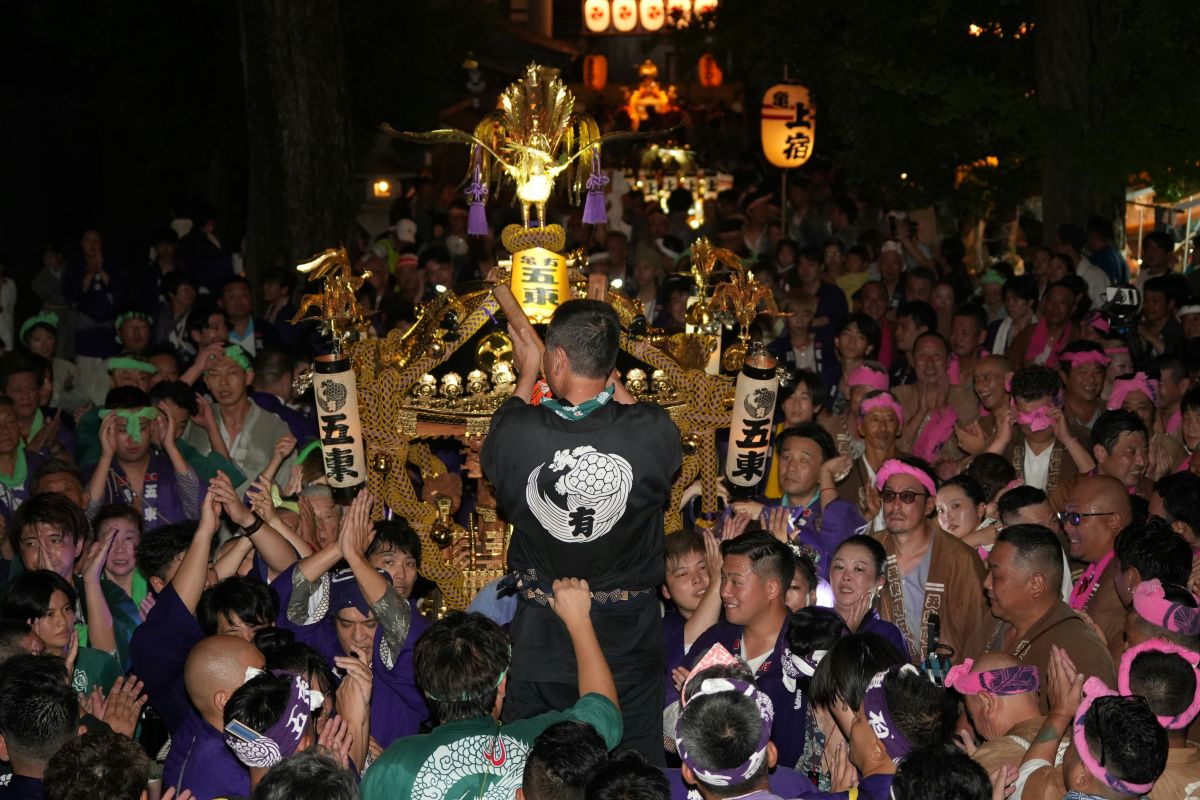
Traditional festivals, known as matsuri, are an important part of Japanese culture. Held at Shinto shrines throughout the year, they celebrate local traditions, seasonal events, and the deities believed to protect each community.
Japan is home to more than 80,000 Shinto shrines, and many hold annual festivals featuring colorful parades, portable shrines (mikoshi), traditional music, and dance. These events bring local residents together while welcoming visitors from around the country.
Festival grounds are also filled with food stalls selling popular treats such as takoyaki, yakisoba, and candied apples. Games, performances, and fireworks often add to the festive atmosphere.
Some of Japan’s best-known shrine festivals include the Gion Festival in Kyoto, which dates back to the 9th century, and the Kanda Festival in Tokyo, one of the city’s largest celebrations.
For many Japanese people, shrine festivals are more than annual events—they’re a chance to celebrate tradition, strengthen community ties, and pass local culture on to future generations.


コメント