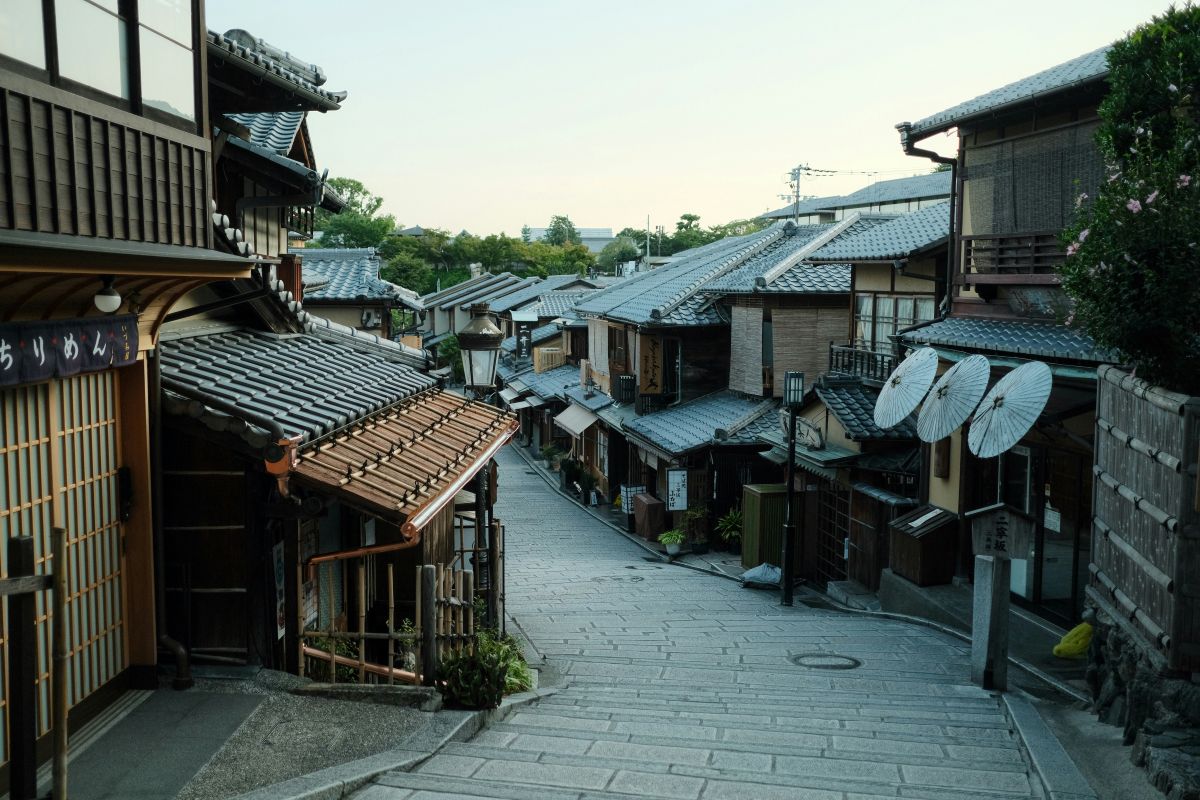
Historic samurai districts offer visitors a chance to step back into Japan’s feudal past. With quiet streets, traditional wooden residences, and stone walls, these neighborhoods preserve the atmosphere of the Edo period and the lives of the samurai who once lived there.
Many former samurai homes have been carefully preserved as museums or cultural sites. Visitors can explore elegant gardens, tatami rooms, and historical artifacts while learning about the values of loyalty, discipline, and honor that shaped samurai culture.
Two of Japan’s best-known samurai districts are Kakunodate in Akita Prefecture, often called the “Little Kyoto of Tohoku” for its beautifully preserved samurai residences, and Nagamachi in Kanazawa, where narrow lanes, earthen walls, and restored samurai houses provide a vivid glimpse into life during the Edo period.
For many Japanese people, visiting a samurai district is more than sightseeing. It is an opportunity to experience living history, appreciate traditional architecture, and gain a deeper understanding of Japan’s cultural heritage.


コメント