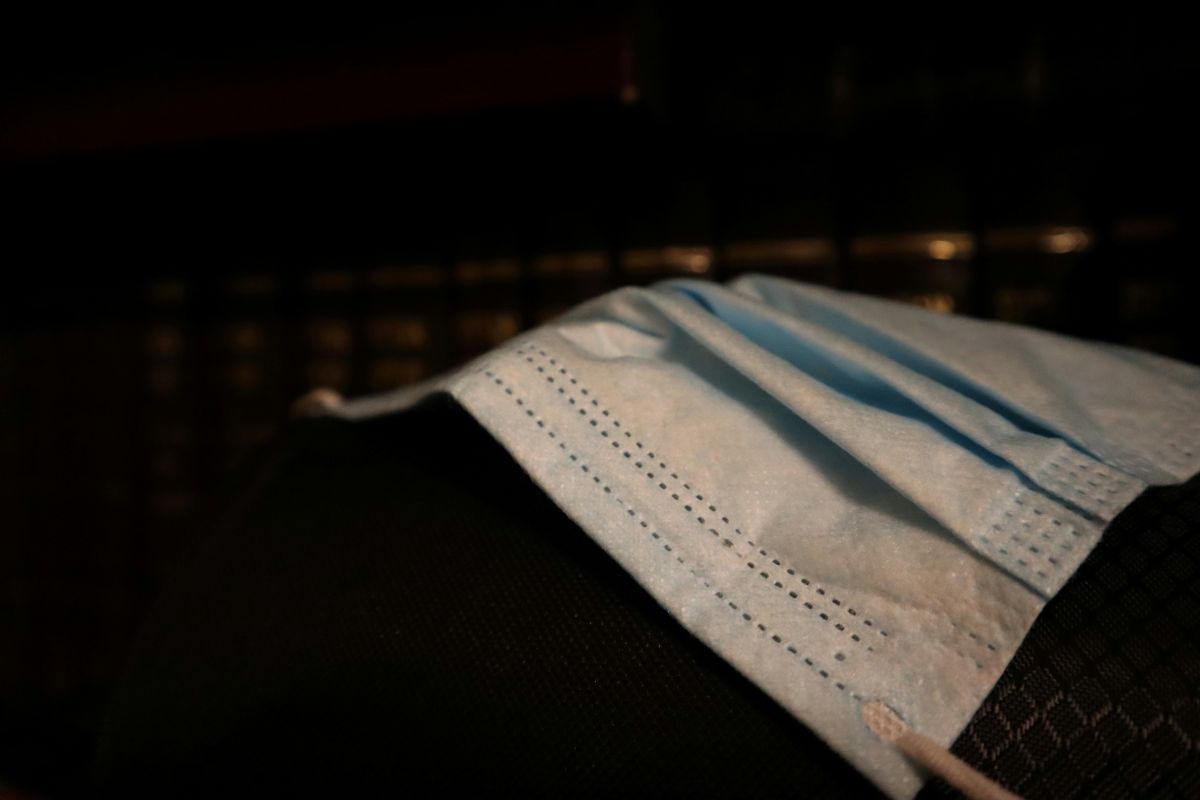
If you visit Japan, you’ll probably notice that many people wear face masks, even when they don’t appear to be sick.
This isn’t a new habit. Long before COVID-19, masks were already a common part of everyday life in Japan.
So why do Japanese people wear them?
To Protect Others
One of the biggest reasons is consideration for other people.
If someone has a cold, they often wear a mask to reduce the chance of spreading germs.
Many people believe it’s polite to protect those around them.
To Protect Themselves
People also wear masks to protect themselves.
On crowded trains, in busy cities, or during cold and flu season, masks can help reduce exposure to viruses, dust, pollen, and other airborne particles.
For many Japanese people, wearing a mask is simply one way to stay healthy in everyday life.
For Allergies
Masks are especially common during allergy season.
In spring, pollen from cedar trees causes hay fever for millions of people in Japan.
Wearing a mask helps reduce allergy symptoms while outdoors.
Privacy and Comfort
Some people wear masks simply because they feel more comfortable.
It can provide a sense of privacy on crowded trains or during a busy day.
For many, it’s just another part of daily life.
Final Thoughts
In Japan, wearing a mask isn’t always a sign that someone is sick.
It can be a way to protect others, protect yourself, reduce allergy symptoms, or simply feel more comfortable.
Understanding this everyday habit offers a deeper look into Japanese culture and its emphasis on consideration, health, and personal comfort.
If you visit Japan, you’ll probably notice that many people wear face masks, even when they don’t appear to be sick.
This isn’t a new habit. Long before COVID-19, masks were already a common part of everyday life in Japan.
So why do Japanese people wear them?
To Protect Others
One of the biggest reasons is consideration for other people.
If someone has a cold, they often wear a mask to reduce the chance of spreading germs.
Many people believe it’s polite to protect those around them.
For Allergies
Masks are also common during allergy season.
In spring, pollen from cedar trees causes hay fever for millions of people in Japan.
Wearing a mask helps reduce allergy symptoms while outdoors.
Privacy and Comfort
Some people wear masks simply because they feel more comfortable.
It can provide a sense of privacy on crowded trains or during a busy day.
For many, it’s just another part of daily life.
Final Thoughts
In Japan, wearing a mask isn’t always a sign that someone is sick.
It often reflects consideration for others, protection from seasonal allergies, or personal comfort.
Understanding this small habit offers a deeper look into Japanese daily culture.

コメント