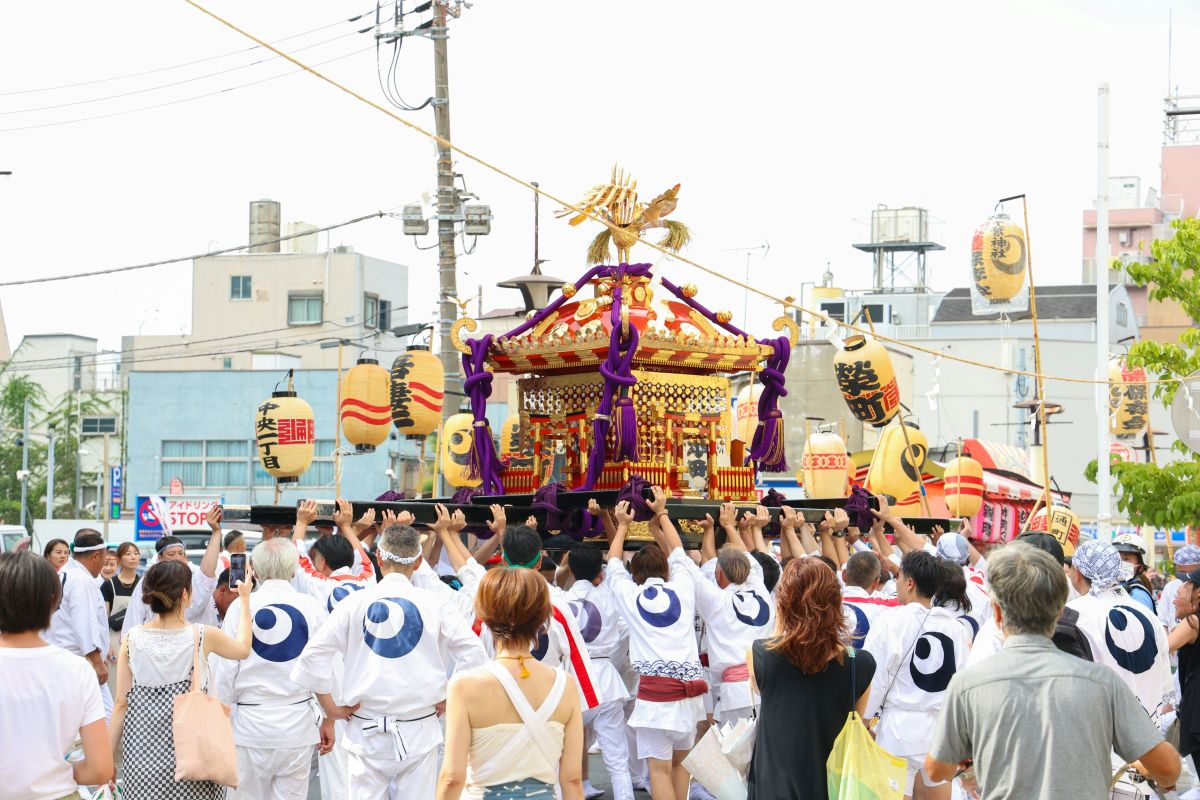
Throughout Japan, local festivals—known as matsuri—are held all year round.
From small neighborhood celebrations to famous festivals that attract millions of visitors, these events are an important part of Japanese culture.
But why are local festivals so special?
Bringing Communities Together
Many festivals are organized by local communities and shrines.
Residents work together to prepare the event, decorate the streets, and welcome visitors.
For many people, a festival is an opportunity to strengthen relationships with neighbors and celebrate together.
Keeping Traditions Alive
Many Japanese festivals have been celebrated for hundreds of years.
Traditional music, dances, portable shrines (mikoshi), and colorful costumes are passed down from one generation to the next.
These customs help preserve local history and identity.
A Celebration for Everyone
Festivals are also fun.
Visitors can enjoy delicious street food, games, fireworks, and cultural performances.
Children, parents, and grandparents often attend together, making festivals a cherished family tradition.
Each region has its own unique style, giving every festival a different atmosphere.
Final Thoughts
Local festivals are much more than entertainment.
They celebrate history, strengthen communities, and keep Japanese traditions alive.
In today’s rapidly changing world, these festivals continue to remind people of the importance of sharing culture, creating memories, and passing traditions on to future generations.


コメント