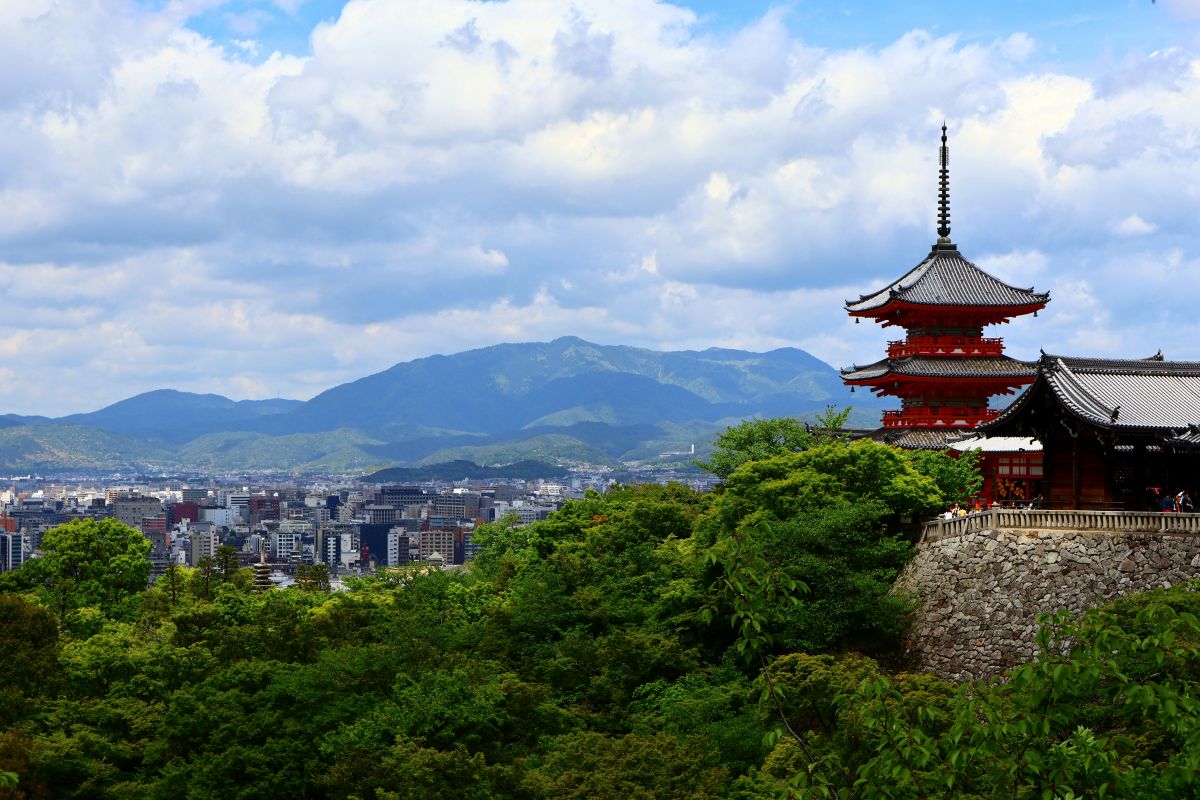
Nature has always played an important role in Japanese culture. Mountains, forests, rivers, and the changing seasons are not simply beautiful scenery—they are seen as something to respect and live in harmony with.
One reason for this is Shinto, Japan’s traditional belief system. Shinto teaches that spirits, called kami, can be found in natural places such as ancient trees, waterfalls, mountains, and rocks. This has encouraged people to value and protect the natural world for centuries.
Japan’s four distinct seasons also strengthen this connection. People look forward to cherry blossoms in spring, lush greenery in summer, colorful autumn leaves, and snowy landscapes in winter. Each season offers its own beauty and reminds people that nature is always changing.
This respect can also be seen in everyday life. Many people enjoy gardening, hiking, and visiting parks or temples surrounded by nature. Environmental awareness, such as recycling and keeping public spaces clean, is also becoming increasingly important.
In recent years, climate change has begun to affect Japan’s seasonal landscapes. Cherry blossoms sometimes bloom earlier than expected, and autumn leaves may appear later than they once did. Protecting the environment has become more important than ever—not only for the planet, but also for preserving the traditions and seasonal beauty that many Japanese people cherish.
For many Japanese people, respecting nature is not just about protecting the environment. It is a way of appreciating life, finding peace, and passing these values on to future generations.


コメント