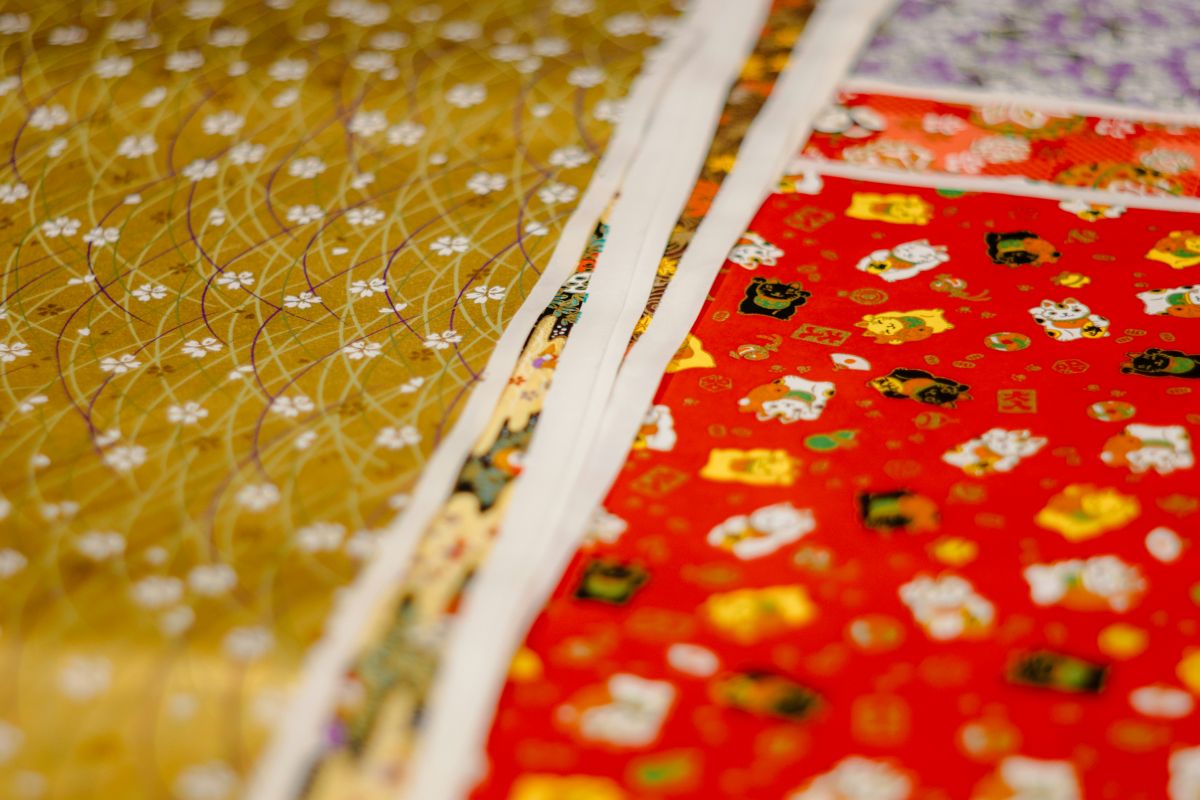
Washi, Japan’s traditional handmade paper, has been produced for more than 1,300 years. Made from the fibers of plants such as kozo, mitsumata, and gampi, washi is valued for its strength, beauty, and remarkable durability.
For centuries, washi has been used in books, calligraphy, sliding doors, lanterns, umbrellas, and traditional crafts. Today, it is also popular for artwork, stationery, and home décor.
In 2014, traditional Japanese handmade paper was added to UNESCO’s Intangible Cultural Heritage list, recognizing the skills and craftsmanship passed down through generations.
Visitors can experience washi-making in places such as Mino in Gifu Prefecture and Echizen in Fukui Prefecture, both famous for producing high-quality handmade paper for hundreds of years.
For many Japanese people, washi is more than paper—it is a symbol of craftsmanship, tradition, and the beauty of simple natural materials.


コメント