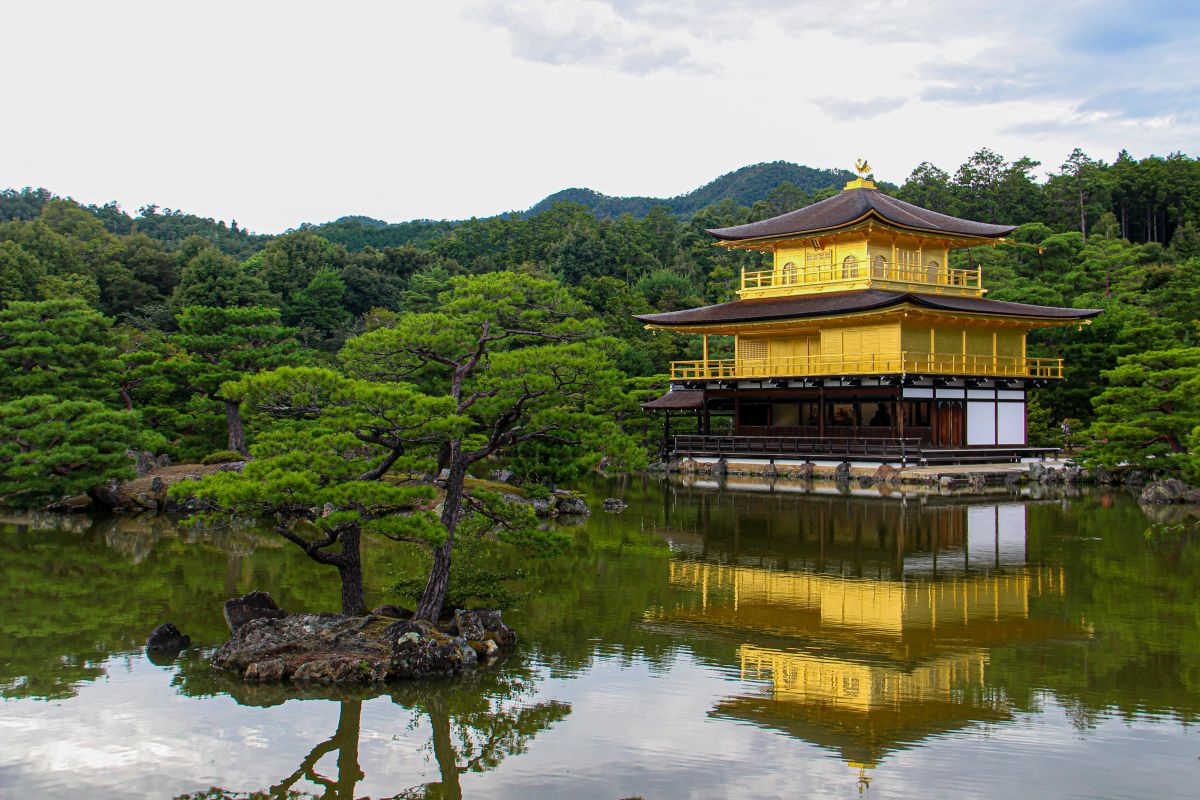
Temple gardens are among Japan’s most peaceful places. Every year, millions of people visit them to enjoy beautiful scenery, relax, and experience traditional Japanese culture.
Many temple gardens were created hundreds of years ago, especially during the Kamakura (1185–1333) and Muromachi (1336–1573) periods, when Zen Buddhism strongly influenced Japanese garden design. Rather than using many colorful flowers, these gardens often feature carefully placed rocks, moss, ponds, and trees to create a sense of harmony.
Japan is home to more than 75,000 Buddhist temples, and many have beautiful gardens open to visitors. Famous temple gardens in Kyoto attract people from around the world throughout the year.
The scenery changes with every season. Visitors can enjoy cherry blossoms in spring, fresh greenery in summer, colorful maple leaves in autumn, and peaceful snow-covered landscapes in winter.
For many Japanese people, temple gardens are more than tourist attractions. They are places to slow down, reflect, and appreciate the beauty of nature and the passing of time.


コメント