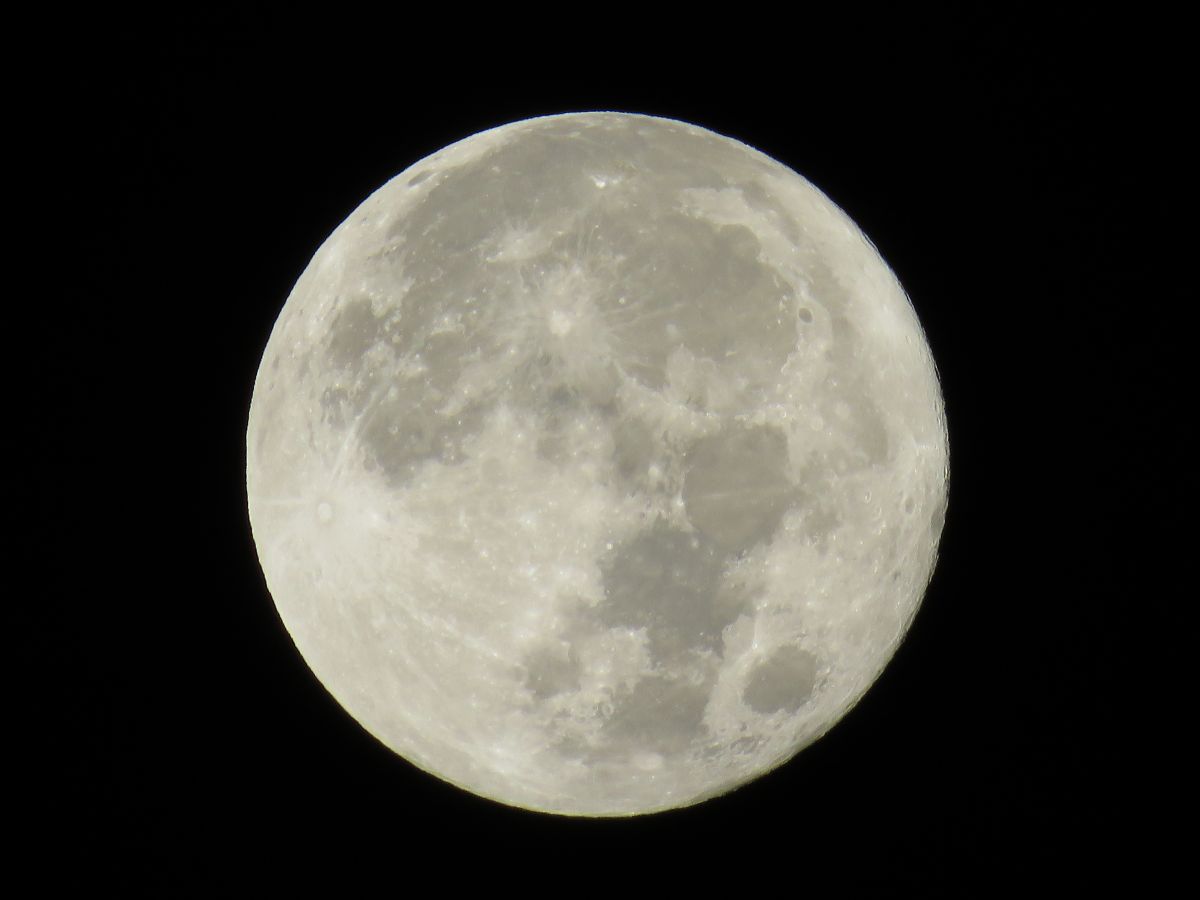
Every autumn, many Japanese people enjoy Tsukimi, the tradition of admiring the full moon.
Rather than celebrating with large events, Tsukimi is a quiet custom that encourages people to slow down and appreciate the beauty of nature.
The tradition dates back more than 1,000 years to the Heian Period, when nobles gathered to admire the moon and compose poetry.
Today, people continue this tradition by viewing the moon with family or friends, often while enjoying seasonal foods.
A typical Tsukimi display includes susuki (Japanese pampas grass), which symbolizes the autumn harvest, and tsukimi dango, round rice dumplings that represent the full moon. Seasonal crops such as taro and chestnuts are also offered in gratitude for a successful harvest.
Many parks, gardens, and temples hold special moon-viewing events, allowing visitors to enjoy the moon in a peaceful and traditional setting.
For many Japanese people, Tsukimi is more than simply looking at the moon.
It is a moment to appreciate the changing seasons, give thanks for nature’s blessings, and enjoy the quiet beauty of an autumn evening.
Just as people gather to admire cherry blossoms in spring, many also take time to appreciate the beauty of the full moon in autumn.


コメント