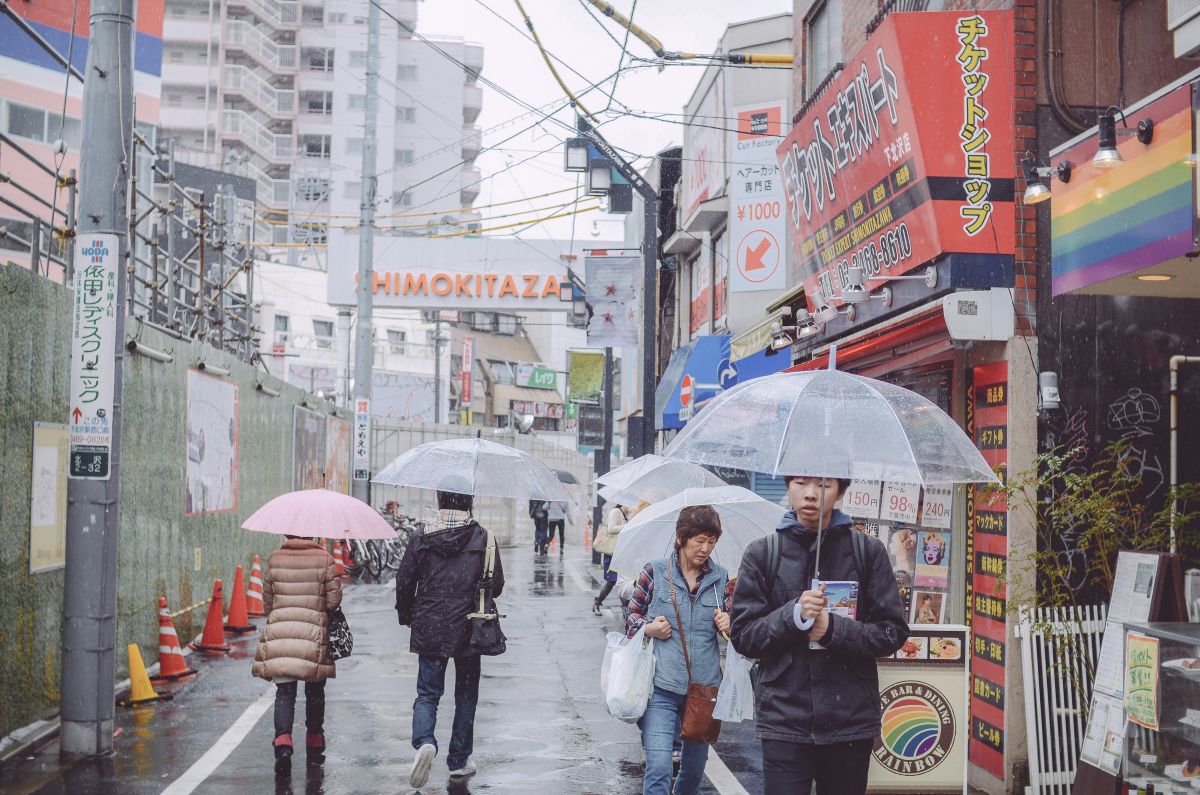
Many visitors to Japan notice how strongly the seasons influence daily life.
People talk about the weather often.
Restaurants change their menus.
Convenience stores release seasonal products.
Even small changes in temperature, flowers, or light are carefully noticed.
In Japan, the seasons are not only part of nature.
They are also part of communication and emotional experience.
Cherry blossoms in spring, fireworks in summer, red leaves in autumn, and quiet snow in winter all carry cultural meaning.
These seasonal moments appear in food, art, poetry, and everyday conversation.
Many Japanese people grow up paying attention to subtle changes around them.
Because of this, even small seasonal differences can create feelings of nostalgia, excitement, or calmness.
Of course, modern life is changing quickly.
And recently, climate change has also begun affecting seasonal patterns around the world.
Hotter summers, shorter autumns, and changing weather are becoming more noticeable in Japan as well.
That is why many people feel it is important to protect not only nature itself, but also the cultural atmosphere connected to the seasons.
Learning about Japan is not only about famous places or traditions.
Sometimes it is also about noticing small changes in everyday life.
And through those small seasonal moments, people often feel more connected to nature, time, and each other.


コメント