Visitors to Japan sometimes notice something confusing during difficult situations.
People may smile even when they are nervous, apologizing, embarrassed, or under pressure.
At first, this can seem strange or even insincere.
But in many cases, the smile is not meant to hide the truth.
It is often used to soften tension, protect harmony, or avoid making other people uncomfortable.
In Japanese communication, emotional control is often connected to consideration for others.
Instead of expressing strong feelings immediately, people may try to maintain a calm atmosphere first.
This does not mean Japanese people do not feel stress, sadness, or frustration.
Rather, emotions are sometimes managed quietly and indirectly.
You can often see this in customer service, workplaces, schools, and even daily conversations.
Of course, communication styles are changing, especially among younger generations.
Still, this cultural habit remains an important part of how many Japanese people interact with others.
Understanding this kind of smile is not only about understanding Japan.
It also makes us think about how culture shapes the way people express emotions everywhere in the world.
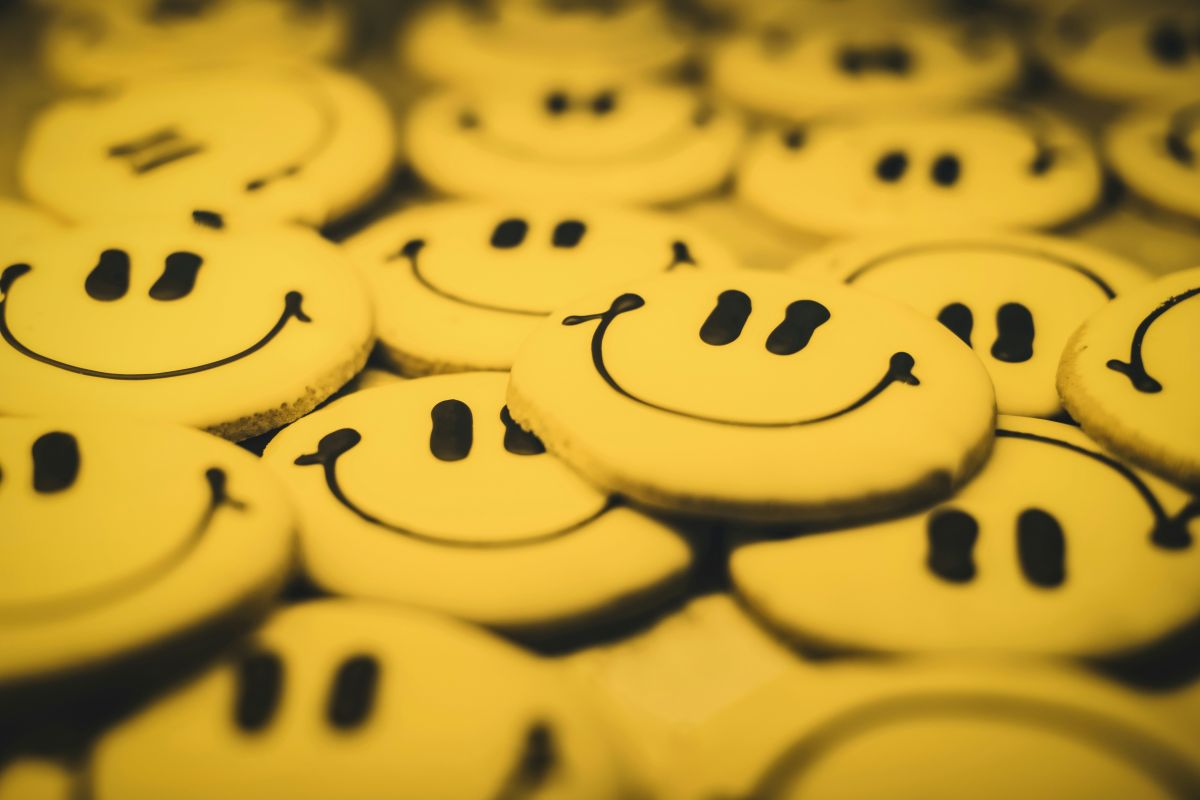
Sometimes a smile does not mean happiness.
Sometimes it means, “I am trying to keep things okay for everyone.”


コメント